


Can Air-Conditioned Rooms Really Cause CO2 Poisoning?
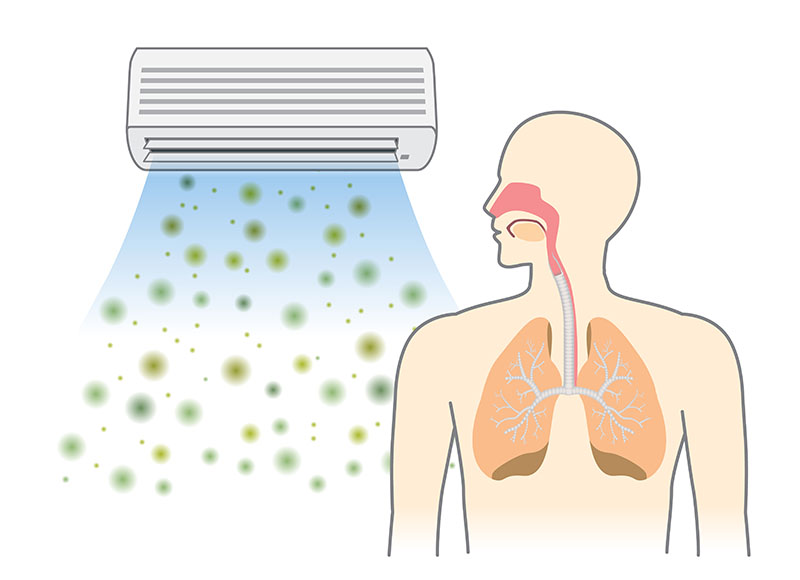
Staying in an air-conditioned room is unlikely to cause severe CO2 poisoning from one person’s breathing alone. However, poor ventilation can still raise indoor CO2 levels far above healthy air quality limits and make people feel unwell.
Can Staying in an Air-Conditioned Room Cause CO2 Poisoning?
A recent Chinese media report described a woman who stayed overnight in a tightly closed air-conditioned room and later felt dizzy, nauseous, and numb in her hands, feet, and face. She was reportedly diagnosed with carbon dioxide poisoning and oxygen deficiency.
From a basic indoor air and physiology perspective, the more accurate question is whether one adult can really produce enough CO2 in a normal room to cause severe poisoning.
The short answer is usually no. But poor ventilation in air-conditioned rooms can still raise CO2 levels enough to cause discomfort, headache, sleepiness, and poor indoor air quality.
How Much CO2 Does a Person Produce?
Assume a small bedroom with an area of 10 m² and a ceiling height of 2.7 m. The total air volume is about 27 m³, or 27,000 L.
Research data shows that adults produce CO2 even while sleeping. A 2026 study on young adults found an average sleeping CO2 emission rate of 10.1 ± 2.4 L/h per person. Another 2023 study on adults over 65 reported 9.0 ± 1.6 L/h per person during sleep. For a lightly active adult, Persily and de Jonge’s occupant CO2 generation model can estimate roughly 20 L/h, depending on body size and activity level.
Using 15 L/h as a middle scenario:
15 L/h × 24 h = 360 L of CO2
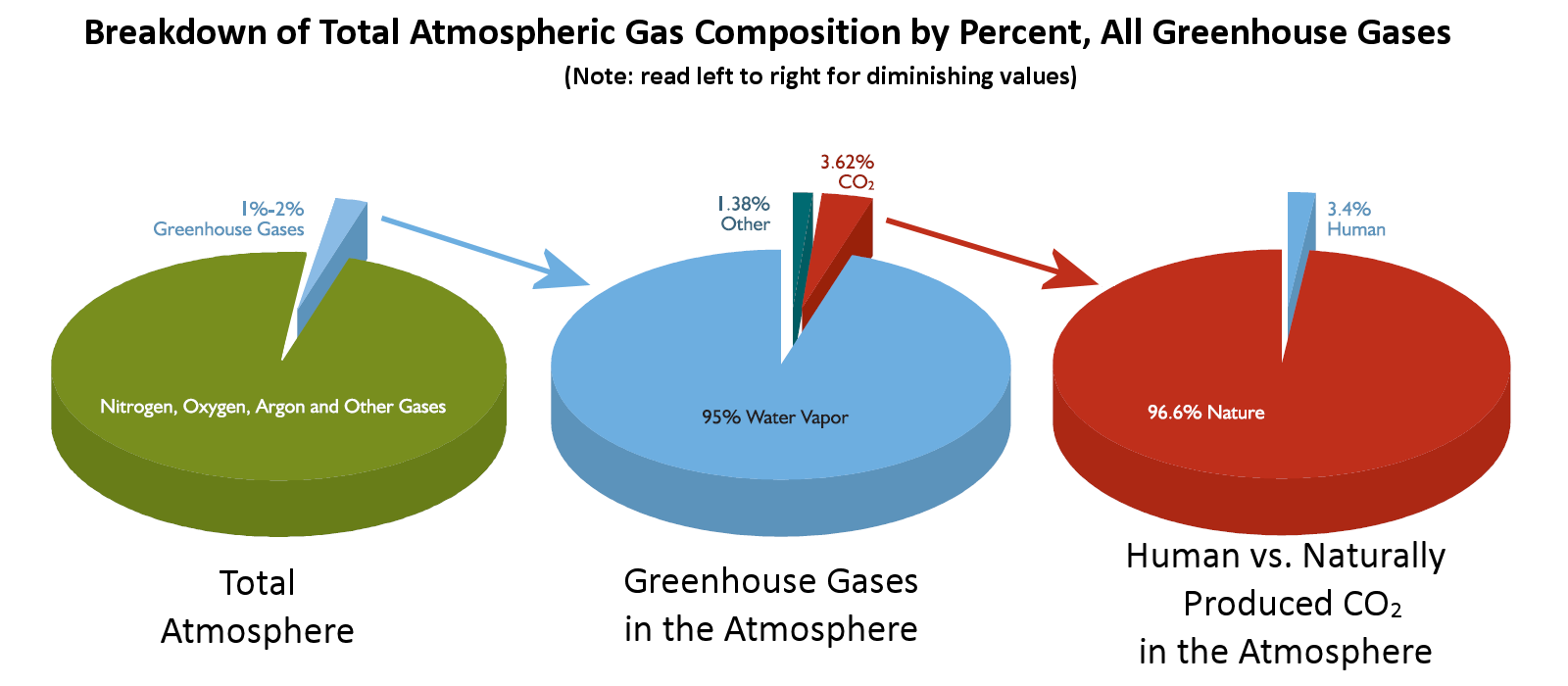
If this CO2stayed inside a perfectly sealed 27 m³ room with no Air Exchange at all, the indoor CO2 level could theoretically reach about 1.38%, or 13,800 ppm, after 24 hours.
Is That Enough to Cause Severe CO2 Poisoning?
Not usually.
The same extreme calculation also shows that oxygen would drop from about 20.9% to roughly 19.4%. This is lower than normal, but still above the level where clear oxygen-deficiency symptoms typically begin.
According to China’s emergency response guidance for acute simple asphyxiant gas poisoning, clear oxygen-deficiency symptoms generally appear when oxygen drops below 16%. For CO2, obvious poisoning symptoms are associated with inhaled concentrations around 8%–10%.
That means the worst-case room calculation, about 1%–2% CO2, is far above a healthy indoor air target, but still far from the level usually linked with severe acute CO2 poisoning.
High CO2 Still Affects Comfort and Air Quality
This does not mean high CO2 is harmless.
China’s current indoor air quality standard GB/T 18883-2022 sets the 1-hour average indoor CO2 limit at 0.10%, or about 1,000 ppm. A room reaching 0.9%–1.8% CO2 would be 9 to 18 times higher than that indoor air quality limit.
At elevated CO2 levels, people may feel headache, drowsiness, poor concentration, faster breathing, stuffy air, nausea, or general discomfort.

Air Conditioning Is Not the Same as Ventilation
Many people assume that turning on the air conditioner means the room has fresh air. In reality, most residential air conditioners mainly recirculate indoor air. They cool the room, but they do not necessarily bring in enough outdoor fresh air.
Even when windows and doors are closed, ordinary homes are not perfectly sealed. Air can still enter through door gaps, window frames, building cracks, and pipe openings. One study of urban Chinese bedrooms found that even when windows were closed, measurable air exchange still existed, although the median infiltration rate was often below 0.45 h⁻¹.
This means CO2 can still build up overnight, especially in small bedrooms, but the room is rarely a perfectly sealed box.
Could the Symptoms Come From Hyperventilation Instead?
The reported symptoms included dizziness, nausea, headache, numbness, stiff hands and feet, and difficulty speaking. These symptoms can overlap with many conditions.
One important possibility is respiratory alkalosis, which can happen when someone breathes too fast or too deeply. The Merck Manual explains that respiratory alkalosis is caused by a decrease in arterial CO2 pressure due to hyperventilation, and acute symptoms can include light-headedness, confusion, tingling, cramps, and carpopedal spasm.
In other words, if a person becomes anxious, in pain, or uncomfortable and starts hyperventilating, blood CO2 may actually fall, not rise. Clinically, blood gas testing is needed to distinguish true CO2 retention from hyperventilation-related respiratory alkalosis.
What Should We Really Learn From This?
Staying in an air-conditioned room for a long time is unlikely to cause severe CO2 poisoning from one person’s breathing alone. But poor ventilation can still push CO2 far above healthy indoor air limits and make people feel unwell.
To reduce risk, open windows regularly when outdoor air quality allows, avoid keeping small rooms fully closed for long periods, and consider using a dedicated fresh air system when continuous ventilation is needed.
Air conditioning solves temperature. Fresh air systems solve ventilation.
Frequently Asked Questions
Can an air-conditioned room cause CO2 poisoning?
In most normal homes, severe CO2 poisoning from one person’s breathing alone is unlikely. However, poor ventilation can still raise CO2 levels enough to cause discomfort.
Does an air conditioner bring in fresh air?
Most residential air conditioners mainly recirculate indoor air. They cool the room but do not necessarily provide enough outdoor fresh air.
How can I reduce CO2 buildup indoors?
Open windows when possible, avoid keeping small rooms sealed for long periods, and use a fresh air system or energy recovery ventilator for continuous ventilation.
References & Source Data
- 1. China News. “开一天一夜空调‘中毒’!医生提醒” (2026).
- 2. Xiang D, Kang M, Jiang S, et al. Carbon dioxide emission rates during sleep under different bedroom ventilation conditions. Energy and Built Environment, 2026.
- 3. Yan Y, Lan L, Kang M, et al. Emission rate of carbon dioxide by older adults while sleeping. Building and Environment, 2023.
- 4. Persily A, de Jonge L. Carbon dioxide generation rates for building occupants. Indoor Air, 2017.
- 5. National Health Commission. Technical guidance on acute simple asphyxiant gas poisoning emergency response.
- 6. GB/T 18883-2022, Standards for Indoor Air Quality.
- 7. Hou J, Sun Y, Chen Q, et al. Air change rates in urban Chinese bedrooms. Indoor Air, 2019.
- 8. Merck Manual Professional Edition. Respiratory Alkalosis. Updated 2025.