Heat Recovery Unit Working Principle—What Makes it So Efficient
| A Heat Recovery unit works by transferring heat from outgoing air to incoming fresh air, reducing energy waste and improving efficiency. You experience better indoor comfort because the system keeps warmth inside your home, even when you ventilate. The heat recovery unit working principle means you save energy compared to traditional ventilation. Airwoods leads the way with advanced solutions that maintain air quality and comfort.
Key Takeaways
Heat recovery unit working principleAirflow and heat exchange processYou might wonder how a heat recovery unit keeps your home comfortable while saving energy. The heat recovery unit working principle relies on a clever airflow and heat exchange process. You will find that the system uses two separate air streams. One stream carries stale, warm air out of your home. The other brings in fresh, cooler air from outside. These air streams pass through a special part called a Heat Exchanger. The heat exchanger transfers warmth from the outgoing air to the incoming air, but the two air streams never mix. This design keeps your indoor air clean and healthy. Here is how the airflow and heat exchange process works:
You benefit from this process because the system keeps most of the heat inside your home, even as it brings in fresh air. Airwoodscomfort uses advanced technology to make this process as efficient as possible. The Eco-Flex Energy Recovery Ventilator, for example, uses a hexagonal heat exchanger core to maximise energy transfer and keep your air clean. Operation stepsYou can better understand the heat recovery unit working principle by looking at the typical operation steps. The system follows a clear sequence to ensure you get the best air quality and energy savings. You will notice that the system responds to changes in air quality and temperature. Smart controls and sensors help the unit adjust its operation automatically. This means you always enjoy fresh, comfortable air with minimal energy loss. Airwoodscomfort leads the way in this field by offering systems that combine high efficiency with intelligent controls. The heat recovery unit working principle ensures that you do not waste energy when ventilating your home. You get fresh air, stable indoor temperatures, and lower energy bills. This process makes modern heat recovery units, like those from Airwoodscomfort, a smart choice for anyone who values comfort and efficiency. Key components in Airwoodscomfort systemsWhen you look inside an Airwoodscomfort system like the Eco-Flex Energy Recovery Ventilator, you find several advanced parts working together. Each component plays a vital role in delivering fresh air, saving energy, and keeping your indoor environment comfortable. Heat exchanger coreThe heart of the system is the heat exchanger core. This part transfers warmth from outgoing air to the incoming fresh air. Airwoodscomfort uses a hexagonal core made from high-impact polystyrene (hPS). You benefit from this material because it offers:
Other common materials for heat exchanger cores include stainless steel and aluminium. Here is a quick comparison: Fans and ductsYou rely on energy-efficient fans to move air in and out of your home. These fans use minimal power but maintain strong airflow. The ducts distribute air evenly, helping to keep temperatures stable and prevent draughts. Fabric ductwork spreads air gently across large areas, which improves comfort. Clean ducting also keeps the system working at its best by stopping dust and debris from blocking heat transfer.
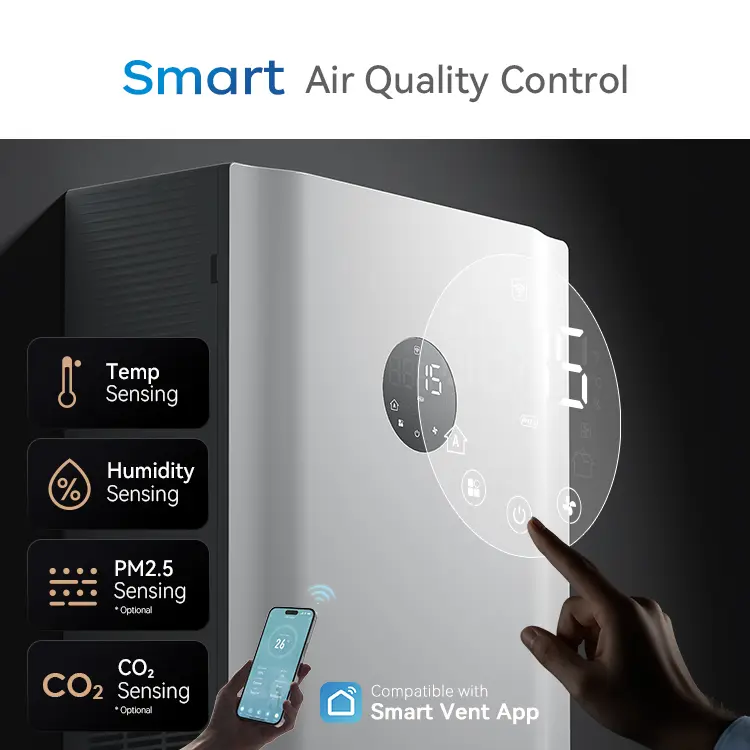
Smart controls and sensorsSmart controls and sensors make your system intelligent. They monitor humidity, temperature, and air quality, then adjust the ventilation rate automatically. You get the right amount of fresh air without wasting energy. The system can even respond to how many people are in the room, changing its settings for the best air quality and comfort.
By understanding these key components, you see how the heat recovery unit working principle delivers both efficiency and comfort in your daily life. Efficiency factors and benefitsHigh heat recovery ratesYou gain the most from a heat recovery unit when it achieves high efficiency. Modern systems use advanced technology to recover as much heat as possible from outgoing air. The Eco-Flex Energy Recovery Ventilator from Airwoodscomfort uses a counter flow heat exchanger, which allows it to reach up to 93% heat recovery efficiency. This means you keep most of the warmth inside your home, even as you ventilate.
The table below shows how different technologies compare in terms of efficiency: The Eco-Flex ERV stands out because it uses the latest counter flow technology. You can see how it matches or exceeds industry standards for efficiency. Energy savings and comfortYou save energy every day with a heat recovery unit. The system captures waste heat from outgoing air and uses it to warm incoming fresh air. This process reduces the need for extra heating, especially in colder months. You notice lower energy bills and a smaller carbon footprint. Heat recovery units work well in places where heating and cooling needs overlap. You get improved energy efficiency and lower running costs. The system helps you meet building energy codes and sustainability targets. Many government programmes, such as the Boiler Upgrade Scheme and Green Homes Grant, support the use of energy-efficient ventilation systems. You also enjoy greater comfort. The system recycles heat, which helps you avoid draughts and temperature swings. You feel a steady, comfortable temperature throughout the year. In winter, the unit preheats incoming air, so you do not feel cold blasts when ventilating.
Airwoodscomfort product advantagesYou get more than just energy savings with Airwoodscomfort. The Eco-Flex ERV offers features that make your daily life easier and more comfortable.
You also help the environment. By reducing energy use, you lower your carbon emissions. The system supports your efforts to meet sustainability goals and building regulations. Efficient heating and cooling solutions are essential for achieving net zero targets. You play a part in creating a healthier planet by choosing advanced ventilation technology. Real-world exampleApplication in homes and officesImagine you want to improve the air quality in your bedroom or office. You install the Eco-Flex Energy Recovery Ventilator. You notice the difference almost immediately. The unit quietly exchanges stale indoor air for fresh outdoor air. It recovers up to 90% of the heat from the outgoing air, so you keep your room warm without using extra energy. You benefit from a healthier environment. Poor indoor air quality often causes headaches, fatigue, and respiratory problems. The Eco-Flex ERV helps you avoid these issues by continuously supplying fresh air and removing pollutants. You enjoy a steady supply of clean air, which supports your well-being and concentration. You also save money on energy bills. The ventilator reduces heating and cooling costs by up to 30%. You use less energy compared to traditional ventilation systems. In homes, wastewater heat recovery systems have achieved up to 67% energy recovery during showers. Developers like Barratt have found these solutions to be the most cost-effective for energy performance. Over half of their house types now include heat recovery units as standard.
Eco-Flex ERV in actionYou see the benefits in a busy office. Employees spend most of their day indoors. The Eco-Flex ERV maintains comfortable humidity levels and prevents excessive dryness. It pre-conditions incoming air, reducing the load on heating and cooling systems. You notice improved air quality and lower energy bills. The system works automatically, adjusting airflow based on air quality sensors. You experience fewer temperature swings and a more comfortable workspace. The Eco-Flex ERV helps you create a healthier, more efficient indoor environment. You see how heat recovery units work by transferring heat from outgoing air to incoming fresh air, keeping your indoor space comfortable and energy efficient. Airwoodscomfort and the Eco-Flex ERV show these benefits through advanced design and smart controls.
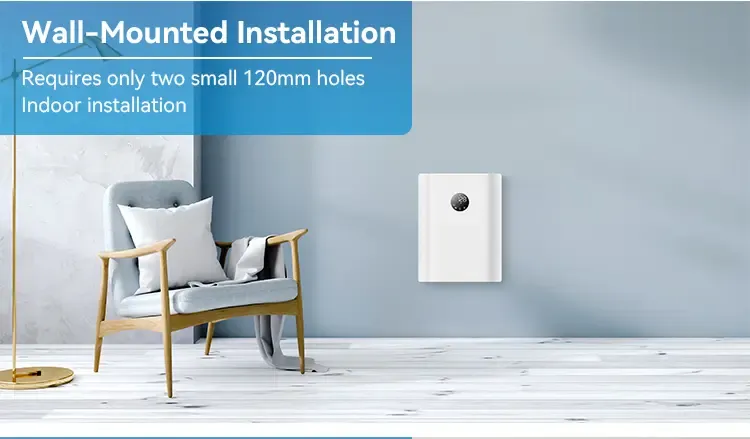
You make a smart investment when you choose efficient heat recovery solutions for your home or office. FAQWhat is the main benefit of using a heat recovery unit?You save energy and keep your indoor air fresh. The unit recovers heat from outgoing air and uses it to warm incoming air. This process helps you lower your heating bills and improve comfort. Can you install the Eco-Flex ERV in any room?You can install the Eco-Flex ERV in bedrooms, living rooms, or offices. Its quiet operation makes it suitable for noise-sensitive spaces. You also have flexible installation options, such as wall-mounted or horizontal setups. How do smart controls improve your experience?Smart controls let you adjust settings easily. You can use WiFi or a remote control. The system monitors air quality and temperature, then changes its operation automatically. You always enjoy fresh air and comfort without extra effort. Does the Eco-Flex ERV help with allergies?Yes, the Eco-Flex ERV uses filters to remove dust and allergens from incoming air. You breathe cleaner air, which can help reduce allergy symptoms. Optional PM2.5 and CO2 sensors give you even better air quality monitoring. How much noise does the Eco-Flex ERV make?The Eco-Flex ERV operates at just 35dB. You will hardly notice it running. This low noise level means you can use it in bedrooms or offices without disturbance. |